

The cracks in Britain’s military strength are beginning to show, and the consequences are starting to hit home for our NATO allies. Britain’s army, long a cornerstone of the alliance’s defence strategy, is now facing a growing crisis. While its budget may have seen some increase over the past decade, it’s the chronic underfunding, recruitment struggles, and outdated equipment that are putting the UK’s military commitments to the test.
For anyone closely following defence matters, it’s no secret that the army has been overstretched for years. The real issue isn’t just about money – it’s a combination of a series of logistical failures that have left our forces under-equipped and under-staffed. Over the past 25 years, recruitment has only outpaced attrition six times, meaning the army has struggled to reach full strength for decades. And with delays in delivering key armoured vehicles like the Ajax and Boxer, the future of Britain’s defence capability is looking uncertain. To make matters worse, Britain’s generosity in sending vital equipment and ammunition to Ukraine has drained our own stockpiles even further.
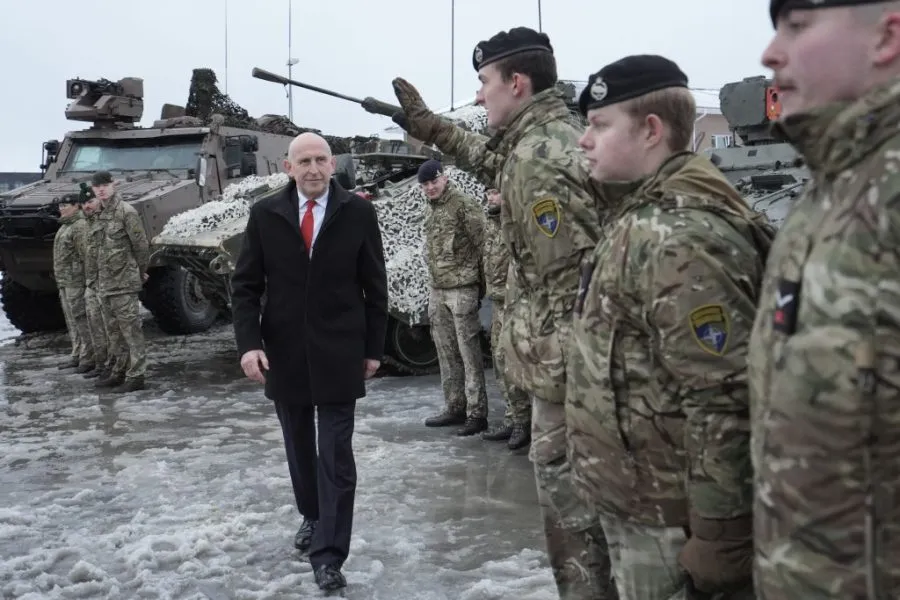
This week, it was revealed that the army has had to reduce the number of troops deployed to Operation Cabrit, the UK’s contribution to NATO’s Forward Land Forces in Estonia. This mission is critical, yet British forces are now a shadow of what they once were. Back in 2021, the UK had 1,600 troops stationed in Estonia as part of a multinational NATO battlegroup, but after promises were made at the NATO summit in Madrid to increase that number, the opposite has happened. Now, the UK force stands at only 900, with a dramatic reduction in the proportion of armour and artillery. Some reports even suggest that there are as few as ten Challenger 2 main battle tanks in the region.
This situation hasn’t gone unnoticed. General Riho Terras, former commander of the Estonian Defence Forces, has voiced concerns that NATO is not taking the eastern flank threat seriously enough. He has openly criticised the UK for not honouring its commitment to provide a full brigade for Estonia’s defence, even suggesting that the UK will struggle to field the brigade promised for the Exercise Hedgehog 25 in May. His conclusion is blunt: the UK has financial problems that are directly impacting its military capabilities.
But this isn’t just a matter of numbers. The UK’s military issues go beyond recruitment shortfalls. The country’s defence strategy has been crippled by delayed procurement, inadequate modernisation of equipment, and unrealistic commitments abroad. The army, once a powerhouse within NATO, is now struggling to meet its basic obligations, leaving our allies in a vulnerable position.
This week, Estonia’s Minister of Defence, Hanno Pevkur, visited London for talks with Defence Secretary John Healey. While Healey is known for being practical, his reassurances about Britain’s ‘ironclad commitment’ to Estonia don’t address the grim reality on the ground. Yes, British forces are valued in Estonia, but it remains unclear whether this reduced footprint will become a permanent fixture. And with the looming promise of additional funding in 2027, it’s uncertain if it will be enough to remedy the situation or if it will come too late.
Once again, the gap between what the UK has promised and what it can actually deliver is letting our allies down. As tensions rise on NATO’s eastern flank, it’s becoming clearer than ever that Britain’s military shortcomings are a significant concern, not just for the UK but for the stability of the entire alliance.