

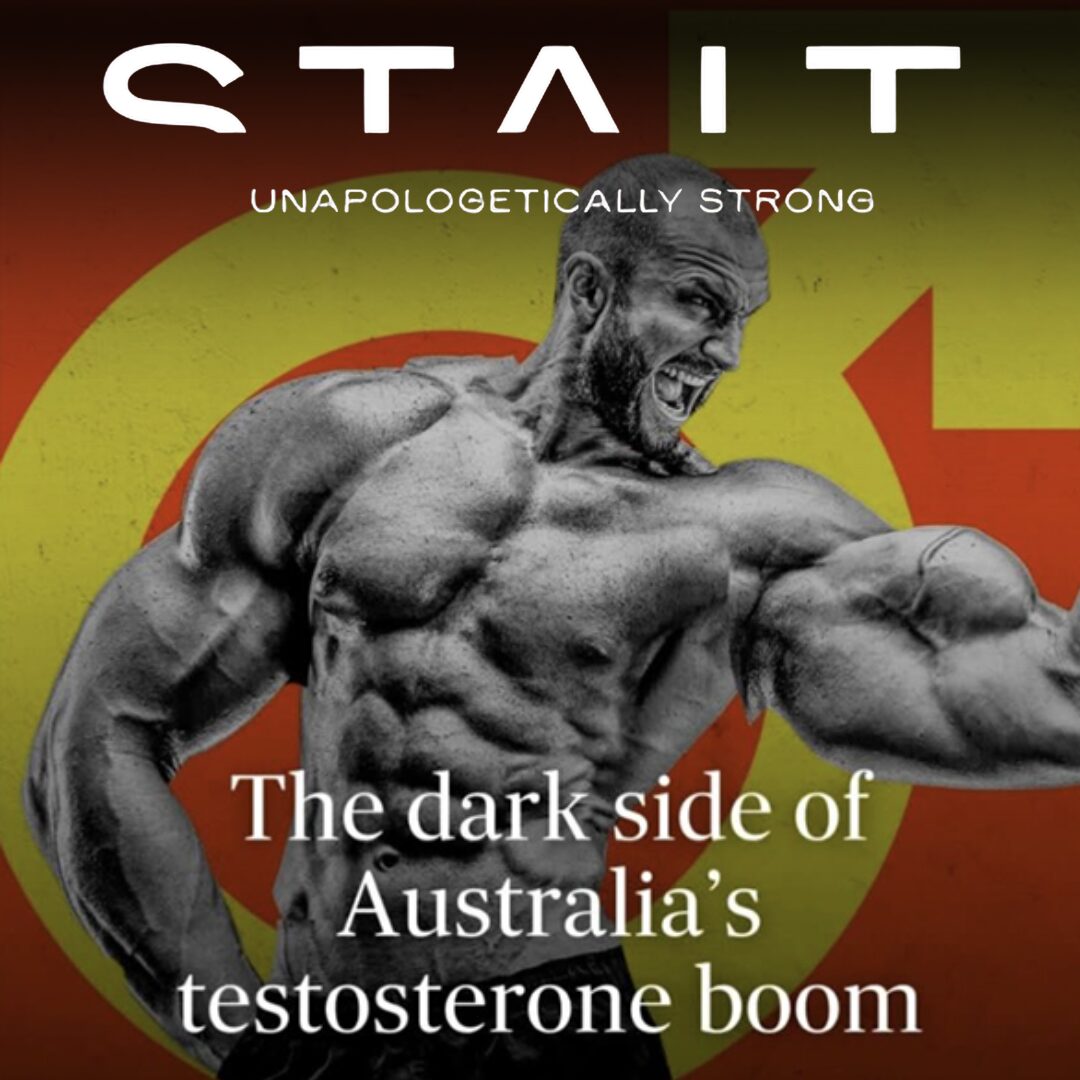
In a recent article in the Australian Financial Review (February 2026), the headline read “The dark side of Australia’s testosterone boom.”
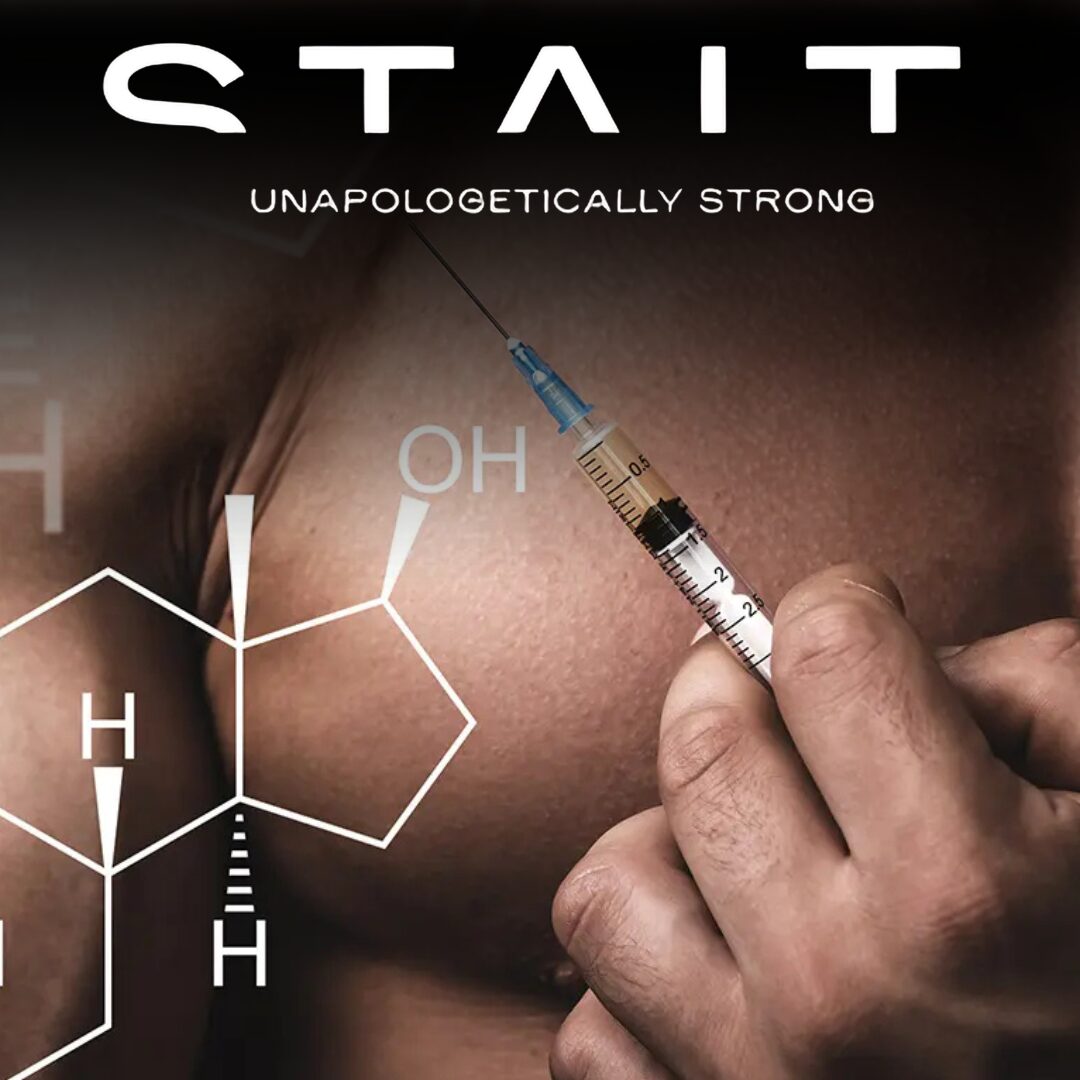
The article highlighted the increasing number of (often younger) men seeking to add exogenous testosterone as a way of “quick fixing” what they perceive to be the cause of many of the physical and mental challenges they face in their daily lives.
In 2025, reports in Australia showed that over 196,000 men participated in the Pharmaceutical Benefits Scheme for Testosterone Replacement Therapy (TRT). This illustrates the scale of the issue. Similar trends are seen in the UK, USA, Europe, and the GCC countries, where pharmaceutical access is readily available. It is a global phenomenon.
These figures are only the tip of the iceberg, as they do not include men receiving TRT through private clinics or sourcing it overseas. The true numbers are likely far higher.
Many leading endocrinologists now warn that these men are being sold a false promise. I tend to agree. The concern is that many are being steered away from evidence-based medicine towards a profit-driven pharmaceutical model that promotes the idea of a “quick fix”, along with the reassuring message that “it’s not your fault.”
And of course, who doesn’t occasionally fall for a quick fix and a little ego reassurance?
Testosterone Isn’t the Only Issue
To state the obvious: testosterone itself is rarely the sole issue.
Yes, we may see symptoms associated with low testosterone utilisation, but that does not mean adding exogenous hormones will solve the problem. In fact, it may make matters worse.
Lifestyle plays a major role in the issue of low testosterone utilisation. Unfortunately, improving lifestyle habits requires consistency and effort, something that is often less appealing than a pharmaceutical shortcut.
All of this is further fuelled by social media, which frequently promotes idealised versions of life rather than the reality. These platforms are designed to sell quick fixes to problems that are often misunderstood in the first place.
The Power of Marketing
This type of marketing is nothing new. It has existed for decades.
In the early 1900s, Edward Bernays famously used psychological techniques to influence lifestyle choices and spending habits.
One of his most famous campaigns involved making smoking appear glamorous for women. His staged photographs of fashionable young women smoking cigarettes in Times Square created social acceptance almost overnight, encouraging many others to follow suit.
Today, the same psychological manipulation exists, but on a much larger scale.
We live in a world of constant sensory overload, where we are repeatedly persuaded that by doing “this one thing” we will achieve the life we want.
It is easy to look at an image online and assume that whatever protocol is being promoted creates that physique. With the rise of AI and sophisticated photo editing, it is increasingly difficult to know whether what we are seeing is even real.
Yet we are still influenced by it.
The Myth of the Magic Pill
Sadly, and sorry to ruin the illusion, there is no such thing as a magic pill.
Testosterone levels are not the only issue.
Lifestyle is.
Yet the narrative being sold is often very simple:
Inject this, and your problems will disappear.
It is a sad, inaccurate, and potentially dangerous belief that is becoming increasingly normalised.
In the past, when steroids were illegal (as many still are), they were typically sourced quietly from someone at the gym. Few people were willing to take the risk, and even fewer would admit to using them.
Today the situation is very different.
TRT, which in many ways is simply steroids under a different label, is now widely prescribed by online clinics and presented as a normal, acceptable solution.
For some, taking TRT has even become a badge of honour. There is a sense of “everyone else is doing it, so I should too.”
Celebrities recommend it openly. Some public figures even praise its benefits.
Yet the risks are rarely discussed.
“Bio-Identical” Doesn’t Mean Risk Free
It is not uncommon to hear so-called health experts say:
“Of course I’m natural. I only take bio-identical testosterone, it’s different from steroids.”
For context, Arnold Schwarzenegger also maintained for many years that he was “natural” when winning Mr Olympia titles, only acknowledging steroid use decades later.
This does not diminish the incredible discipline, training, and genetics required to reach that level. But it does illustrate how narratives around performance-enhancing drugs can be misleading.
The reality is that using TRT recreationally is only one step removed from that world.
It may come from a prescription rather than a gym dealer, but the biological impact on the body is still significant.
Ironically, the person at the gym may sometimes know more about the substances involved than some of the unregulated clinics selling expensive hormone packages.
The Canary in the Coal Mine
Low testosterone is often not the core issue. More accurately, it is a warning sign that something else in the body is not functioning optimally.
Think of it like the old mining practice of using a canary to detect dangerous gases underground.
If the canary stopped singing, it was a signal that something was wrong.
But killing the canary would not solve the problem.
Similarly, adding testosterone to a body that cannot utilise it properly will not solve a testosterone utilisation issue.
Instead, it may create additional problems. These can include liver strain, cardiovascular stress, elevated blood pressure, estrogen conversion, and other metabolic disruptions.
In severe cases, external hormone use can trigger feedback loops that suppress the body’s natural hormone production entirely, leading to infertility, gynecomastia, and increased long-term health risks.
TRT Has Its Place
To be clear, I am not opposed to TRT when it is medically justified and properly supervised.
For men with genuine clinical need, it can be extremely beneficial.
The issue arises when it is used as a shortcut for problems that are fundamentally lifestyle-driven.
Addressing the Real Causes
No amount of external testosterone will solve the problem if the underlying factors remain unaddressed.
1. Sleep
Sleep deprivation has a direct impact on testosterone levels. Studies show that just one week of sleeping less than five hours per night can reduce testosterone levels by 10–15%.
Put another way: if someone could sell you a product that increased testosterone by 15%, how much would you pay for it?
Sleep already does that.
2. Chronic Stress
From an evolutionary perspective, the body prioritises survival over reproduction.
If we are under stress, the body increases stress hormones that interfere with testosterone signalling. While our ancestors experienced short bursts of acute stress, modern life often creates chronic stress, which has a far more damaging long-term effect.
3. Poor Diet
Highly processed foods and excessive sugar contribute to insulin resistance.
When insulin levels are high, testosterone becomes less effective. Excess body fat also contains the enzyme aromatase, which converts testosterone into estrogen.
In simple terms, abdominal fat can actively reduce usable testosterone.
4. Xeno-Estrogens
Modern environments expose us to numerous hormone-disrupting chemicals found in plastics, cosmetics, pesticides, and water supplies. These compounds can bind to hormone receptors and interfere with testosterone signalling.
5. Alcohol
Alcohol also impacts hormone balance. Beer, in particular, contains compounds that can stimulate estrogen activity, which is why the term “brewer’s droop” exists.
The liver plays a key role in hormone metabolism, so when it is busy detoxifying alcohol, hormonal balance suffers.
The Real Solutions
The solutions to this problem are not new, and they are certainly not glamorous.
They require consistent effort and daily discipline.
- Prioritise sleep. If sleep problems persist, consult a specialist.
- Manage stress. Spend time outdoors, walk regularly, practice breathing techniques, and find ways to calm the nervous system.
- Improve diet and gut health. Minimise processed foods and focus on nutrient-dense whole foods.
- Reduce exposure to hormone disruptors. Choose natural personal care products where possible.
- Be mindful of environmental toxins in food and drink. Limit plastic exposure and ensure water quality where possible.
- Exercise regularly. Daily movement is essential, and resistance training several times per week helps preserve muscle mass and metabolic health.
Muscle is the body’s largest glucose sink, helping regulate blood sugar and reduce the risk of insulin resistance and type 2 diabetes.
In Summary
To solve a problem, we first need to correctly identify its cause.
Low testosterone is often a symptom rather than the root issue.
The body is remarkably resilient when given the right conditions. If we nourish it properly, maintain it well, and use it regularly through physical activity, it will generally perform as designed.
However, if we fuel it poorly, neglect maintenance, and allow stress and toxins to accumulate, it should come as no surprise when performance declines.
The body knows what it needs.
Our responsibility is simply to provide it.