

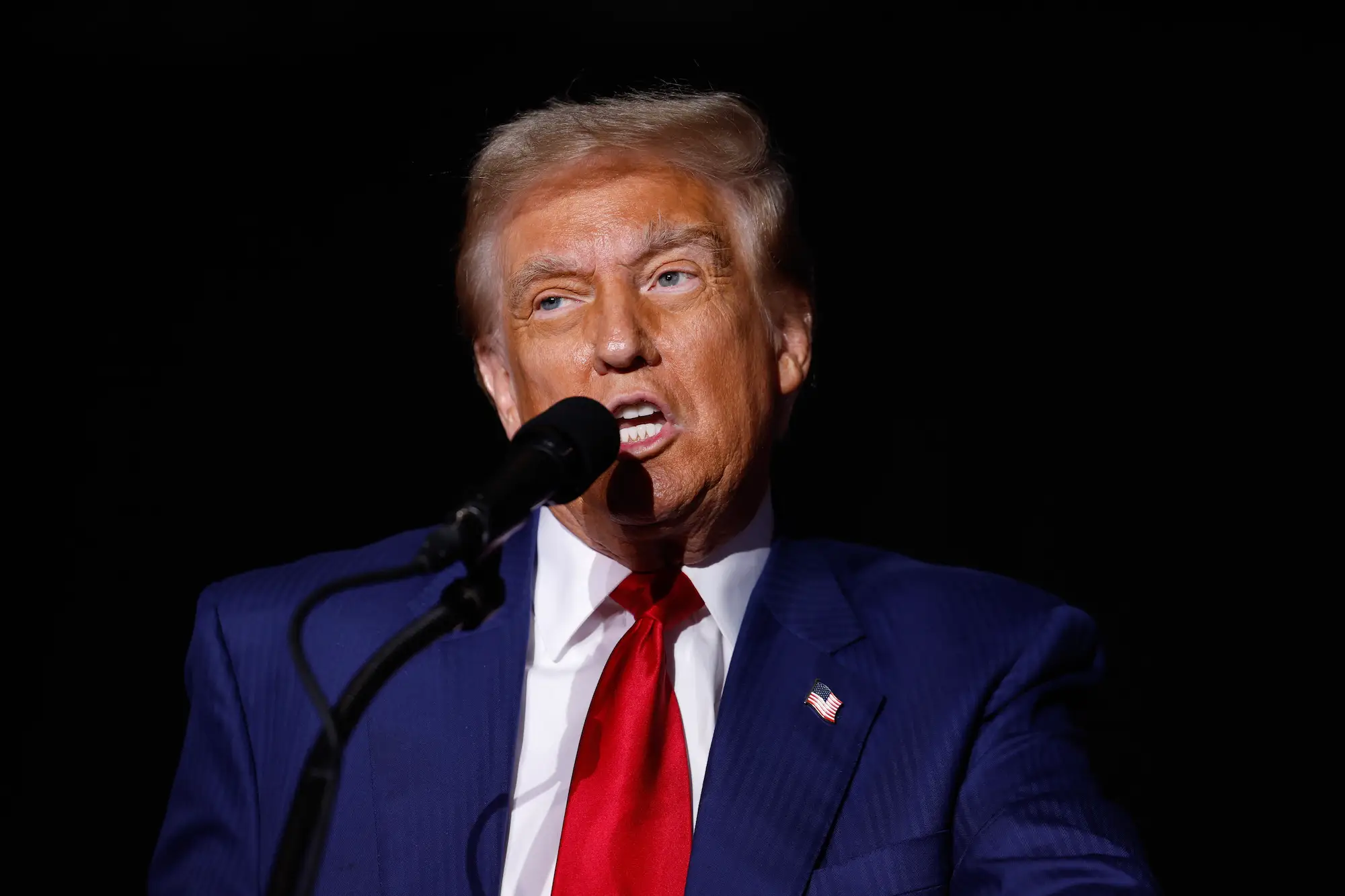
President-elect Donald Trump has sparked controversy by suggesting the use of military force to assert U.S. control over Greenland and the Panama Canal. Citing national security concerns, Trump emphasized the strategic importance of these regions for American interests.
Background
During a recent press conference, Trump questioned Denmark’s sovereignty over Greenland, proposing that the island should come under U.S. control. He also criticized the management of the Panama Canal, expressing a desire to reestablish American oversight of the critical waterway.
International Responses
Denmark’s Prime Minister, Mette Frederiksen, responded firmly, stating that Greenland belongs to the Greenlandic people, who have exercised self-rule since 1979. She emphasized that the island is not for sale and rejected any suggestion of foreign intervention.
Panama’s President, José Laurentino Cortizo, also dismissed Trump’s remarks, asserting that the Panama Canal is sovereign Panamanian territory. He reiterated the importance of national control over the canal, which has been under Panamanian administration since 1999.
Strategic Implications
Trump’s comments reflect a shift towards a more assertive foreign policy focused on securing territories considered vital for U.S. strategic interests. The potential use of military force raises significant geopolitical concerns, including violations of national sovereignty and international law.
Conclusion
As Trump prepares to take office, his administration’s stance on international relations and territorial acquisitions will be closely scrutinized. Pursuing control over Greenland and the Panama Canal could have profound implications for global diplomacy and U.S. foreign policy.