

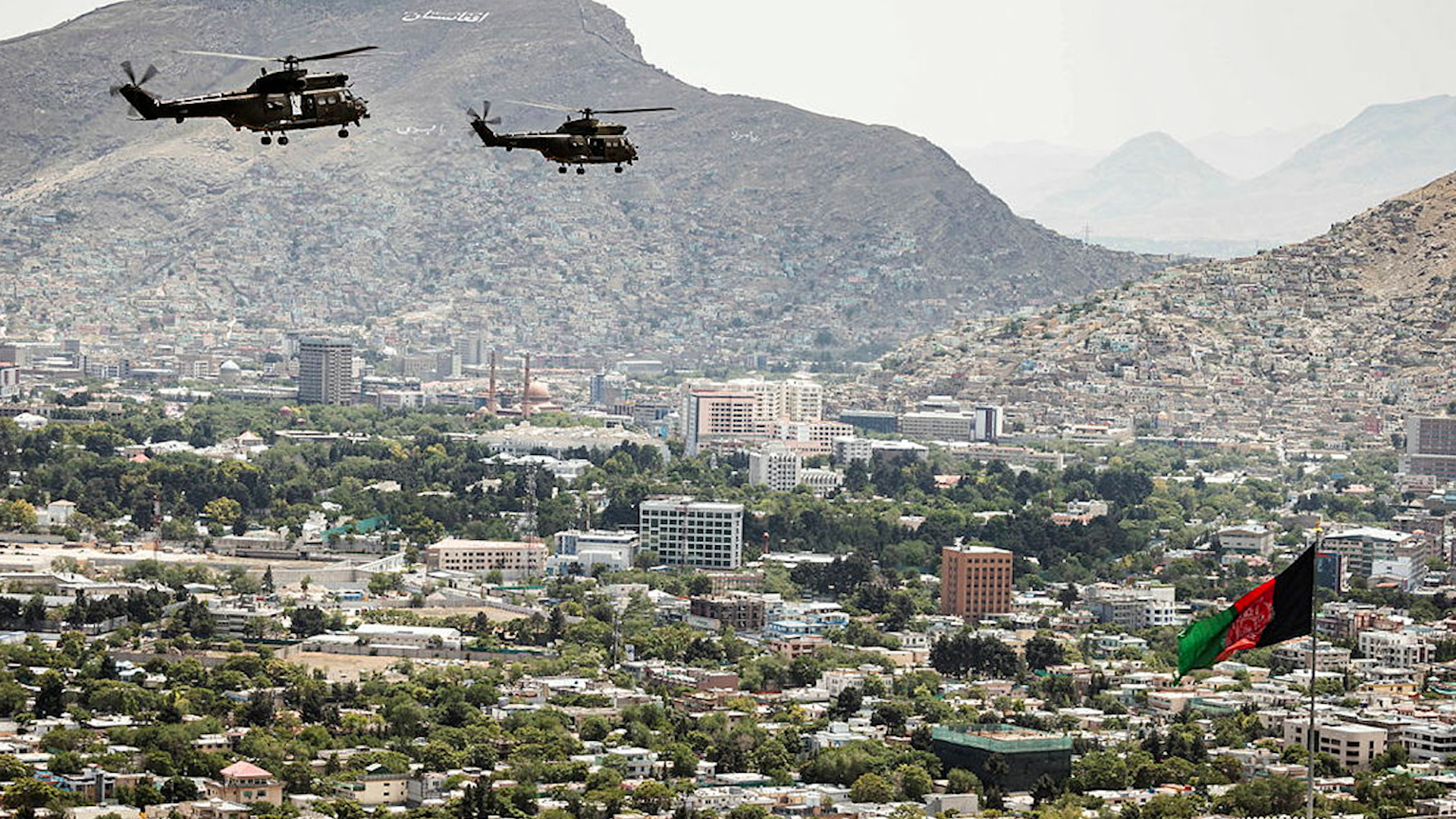
Hundreds of former Afghan special forces soldiers have been granted a path to resettlement in the UK after the government overturned hundreds of previously rejected cases.
Ministers confirmed that 884 decisions have been reversed following a review into applications from members of two elite units known as the “Triples”, Commando Force 333 (CF333) and Afghan Territorial Force 444 (ATF444).
Those affected will now be eligible to settle in Britain under the Afghan Relocation and Assistance Policy (Arap), subject to standard visa checks.
The Arap scheme was introduced in April 2021 to support individuals whose lives were put at risk due to their work with UK Armed Forces before the Taliban seized control later that year. However, the system has faced ongoing criticism after concerns emerged that some applications had been wrongly rejected.
In February 2024, the then-Conservative government acknowledged that certain decisions made under the scheme were “not robust” and committed to reviewing around 2,000 cases, including those involving the Triples units.
Officials have since assessed approximately 3,100 applications as part of that review.
Earlier rejections were largely based on the claim that there was no evidence of direct employment by the UK. However, this position was later challenged. In October, then-Armed Forces Minister Luke Pollard told Parliament that officials had identified records showing payments from the British government to Afghan troops.
Mr Pollard also admitted that the time taken to complete the review had been a “source of deep regret and concern”.
Announcing the overturned decisions on Thursday, he said: “Although I cannot change what happened in the past, I am proud of the work that we have undertaken to conclude this review and deliver on our promise to support eligible Triples who contributed to the UK mission in Afghanistan.”
The decision marks a significant shift for hundreds of former soldiers who had faced uncertainty despite their service alongside British forces, and raises further questions about how the initial decisions were handled.