

The Royal Air Force has confirmed that its next-generation fighter jet, the Tempest, is expected to enter service in 2035, designed to tackle threats that do not yet exist.
The aircraft is being developed under the Global Combat Air Programme (GCAP), a partnership between the UK, Italy and Japan, with additional nations showing interest. It will replace the capabilities of the current Typhoon fleet.
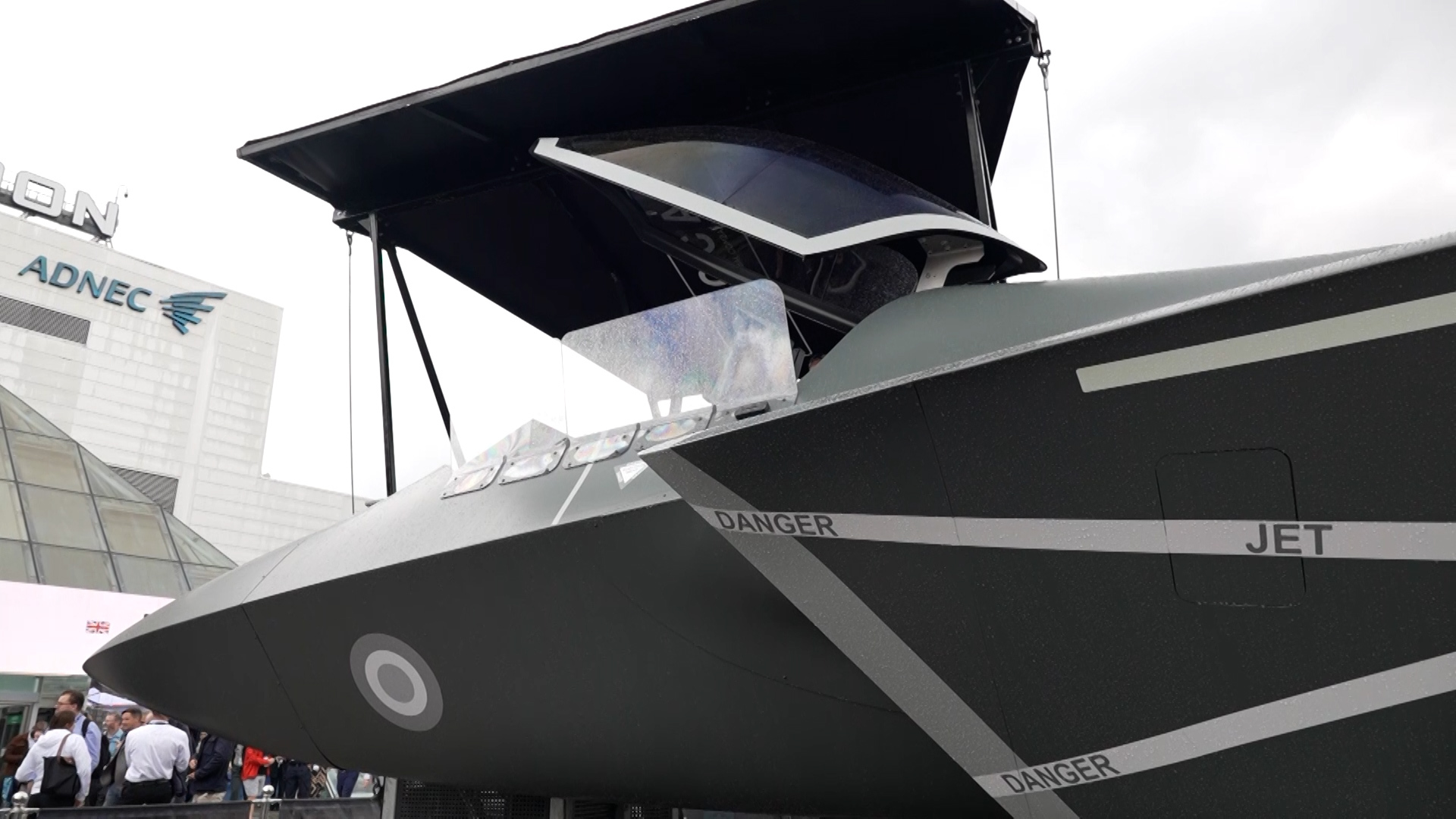
Industry leaders BAE Systems, Rolls-Royce, Leonardo and MBDA are working with the Ministry of Defence to deliver the project, which was recently showcased at the DSEI defence fair in London. The latest concept design appeared different from earlier mock-ups, highlighting the programme’s evolving approach.
An RAF spokesperson explained:
“To meet threats we don’t even yet know about, we must create a next-generation air combat system which is agile, flexible, connected, rapid to update and affordable.”
Advanced Design and Flexibility
Tempest will feature a “plug-and-play” system, allowing rapid reconfiguration of weapons, sensors and fuel tanks to meet operational demands. The aircraft will be capable of operating with both manned and unmanned platforms, incorporating “scalable autonomy” to support pilot decision-making.
Engineers are also focusing on optimised aerodynamics, high manoeuvrability and enhanced survivability. To meet the demands of advanced sensors and energy-intensive weapons such as lasers, the aircraft will include next-generation power generation and management systems.
Next-Generation Cockpit and Systems
The cockpit will eliminate traditional dials and screens, replacing them with helmet-mounted augmented reality displays. Pilots may also be supported by AI-driven assistants, currently undergoing testing ahead of live trials.
Tempest’s integrated sensor suite will merge radar, electro-optics and other systems into a single network, allowing faster and more accurate decision-making. Data will also be shared with other aircraft through a “combat cloud”, creating a more connected battlespace.
Weapons and Payload
The aircraft will carry both existing and future weapons, including the Meteor air-to-air missile and Spear precision strike systems. Internal weapon bays will ensure stealth and aerodynamic performance, while its flexible design will enable the use of emerging technologies such as hypersonic missiles, electronic warfare systems and directed-energy weapons.
Payload options will include fuel tanks, reconnaissance pods and additional munitions, ensuring the aircraft can adapt to multiple roles from surveillance to strike operations.