

When words like “sinister nuclear ambitions” and “missiles that can threaten Europe” are thrown into a presidential address, the world tends to sit up and listen. But Tehran isn’t having any of it.
Iran has firmly rejected claims made by US President Donald Trump about its missile programme and nuclear ambitions, branding them nothing more than “big lies”, even as delicate diplomatic talks continue behind closed doors.
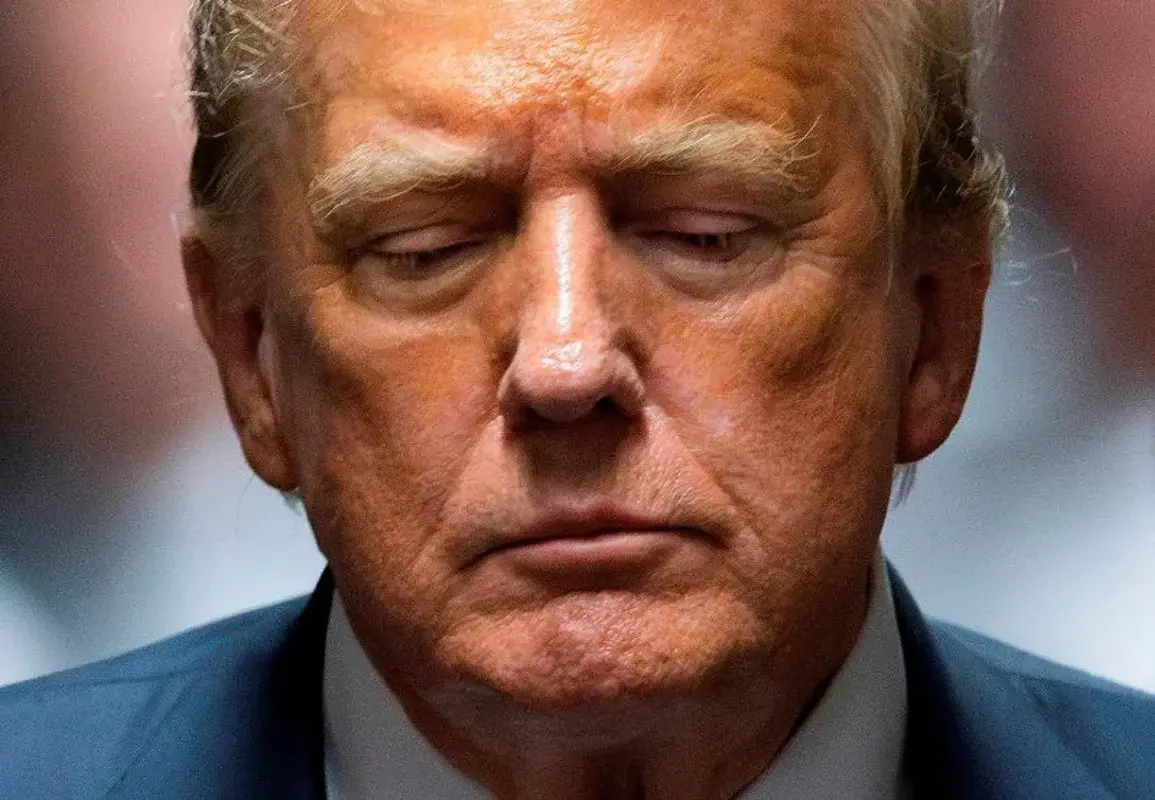
During his State of the Union address, Trump accused Tehran of harbouring dangerous nuclear intentions. He claimed Iran had “already developed missiles that can threaten Europe” and was building others capable of reaching the United States. He also alleged that Iranian authorities had killed 32,000 people during recent protests.
Tehran responded swiftly.
Iranian foreign ministry spokesman Esmaeil Baqaei took to social media platform X to dismiss the accusations outright. “Whatever they’re alleging in regards to Iran’s nuclear programme, Iran’s ballistic missiles, and the number of casualties during January’s unrest, is simply the repetition of ‘big lies’,” he said.
The diplomatic backdrop to this war of words is tense. The two nations are preparing for a third round of talks in Geneva, an effort aimed at preventing further escalation. This comes amid a significant US military deployment around the Gulf, a move that has only heightened anxiety across the region.
Just hours before Trump’s speech, Iran’s foreign minister Abbas Araghchi struck a markedly different tone. He suggested that a deal to avoid military conflict was “within reach” and insisted Iran would “under no circumstances ever develop a nuclear weapon”.
However, Araghchi was equally clear that Iran intends to preserve what it sees as its sovereign rights. He reaffirmed the country’s entitlement to “harness dividends of peaceful nuclear technology”. Western governments remain unconvinced, continuing to suspect Tehran of pursuing an atomic bomb, a charge Iran has consistently denied.
Trump has warned that failure to secure a diplomatic agreement could lead to military strikes. Tehran, for its part, has pledged a firm response to any attack, cautioning that even a limited strike “would be regarded as an act of aggression”.
Meanwhile, tensions are not confined to the international stage.
Inside Iran, university campuses have once again become flashpoints. Verified videos show scuffles breaking out at a university in Tehran, with students seen burning the Islamic republic’s flag as protest slogans against the clerical leadership resurfaced.
Government spokeswoman Fatemeh Mohajerani issued a stern warning, stating that students must “understand the red lines”. The national flag, she emphasised, was one such line “that we must protect and not cross”.
The latest unrest traces back to December, when demonstrations initially erupted over worsening economic conditions. What began as frustration over livelihoods quickly evolved into one of the most serious challenges to Iran’s leadership in years. The authorities responded with a forceful crackdown that resulted in a substantial death toll.
The US-based Human Rights Activists News Agency reports more than 7,000 deaths. Iranian officials acknowledge over 3,000, attributing the violence to “terrorist acts” they say were fuelled by the United States and Israel.
With diplomacy hanging in the balance and tempers flaring both at home and abroad, the coming talks in Geneva may prove pivotal. For now, however, the rhetoric on both sides shows little sign of cooling.