

British troops have come under attack after a swarm of Iranian-linked drones struck a base housing Western forces in northern Iraq, sparking a tense night of air defences and renewed concerns over escalating drone warfare in the region.
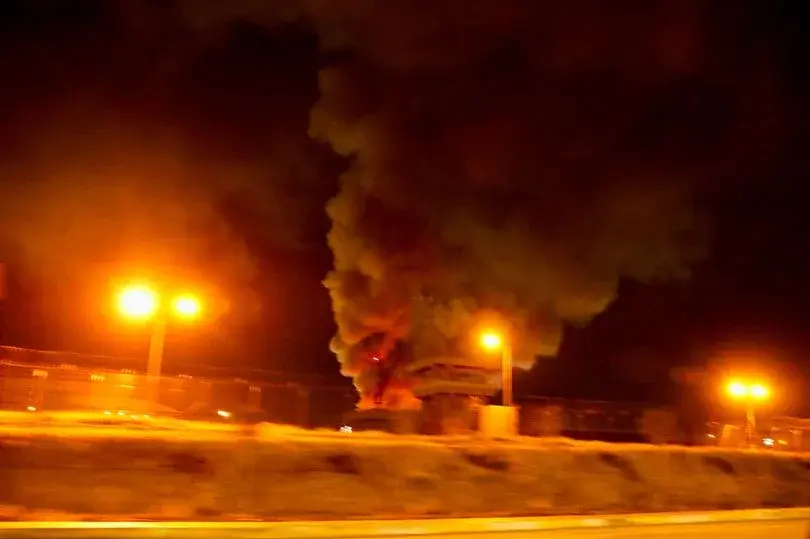
The attack unfolded late on Wednesday when multiple drones targeted a coalition air base in Erbil. British personnel stationed at the base were part of the defensive response, with a UK counter-drone team successfully shooting down two unmanned aerial vehicles before they could reach the camp.
However, not all the drones were stopped. Several managed to hit the base, officials said. While no British troops were injured, some American service members suffered minor injuries during the attack.
Senior officers revealed details of the strike during a briefing with Defence Secretary John Healey at the UK’s Permanent Joint Headquarters in north-west London on Thursday.
Brigadier Guy Foden, assistant chief of staff for operations, said the attacks appeared to be increasingly coordinated.
“Erbil and Baghdad were both struck a number of times last night with increasing coordination,” he said.
“We have personnel in Erbil helping with the defence of that base. Last night they shot down two UAVs coming at the camp. But a number of UAVs did impact the camp.”
Military leaders also warned that the tactics being used suggest an evolution in Iran’s drone strategy.
Lieutenant General Nick Perry, the UK’s chief of joint operations, told Mr Healey that the drones were being flown much lower than before, a method believed to have been influenced by tactics seen in the war involving Russia.
“We have definitely seen the Iranian tactics of the use of their drones learnt from the Russians,” he said. “Flying them much lower so they are more effective.”
That adjustment has made them harder to intercept, particularly as Shahed drone drones are becoming one of Tehran’s most effective weapons.
“There is no doubt the tactics have changed,” he added.
Mr Healey suggested the influence of Russian President Vladimir Putin may be playing a role behind the scenes.
“No one will be surprised to believe that Putin’s hidden hand is behind some of the Iranian tactics, potentially some of their capabilities as well,” he said.
The Defence Secretary also pointed to the wider geopolitical consequences of the conflict, noting that rising oil prices linked to the fighting could indirectly benefit Moscow.
“The one world leader that is benefiting from sky-high oil prices at the moment is Putin because it helps him with a fresh supply of funds for his brutal war in Ukraine,” he said.
The incident comes just days after another Iranian-linked drone attack involving British forces. Last Sunday, drones targeted RAF Akrotiri in Cyprus. According to the UK Ministry of Defence, the drones were most likely launched from Lebanon by Iran-backed militant group Hezbollah.
Cypriot officials later confirmed that two drones heading for the base were intercepted the following Monday.
The attacks form part of a broader escalation across the region. Iran has reportedly launched more than 2,000 Shahed drones across the Middle East in retaliation for ongoing strikes by the United States and Israel since February 28.
With drone warfare evolving rapidly, defence leaders warn that protecting Western troops from increasingly sophisticated aerial threats is becoming a growing challenge.