

British troops have intercepted and destroyed 14 Iranian “kamikaze” drones targeting an allied military base in Iraq, marking one of the most significant defensive operations by UK forces in recent weeks.
The drones were brought down at the Erbil base in northern Iraq, where British and American personnel are stationed. The Ministry of Defence confirmed the incident took place overnight on Tuesday, as Iran intensified its wave of attacks across the region.
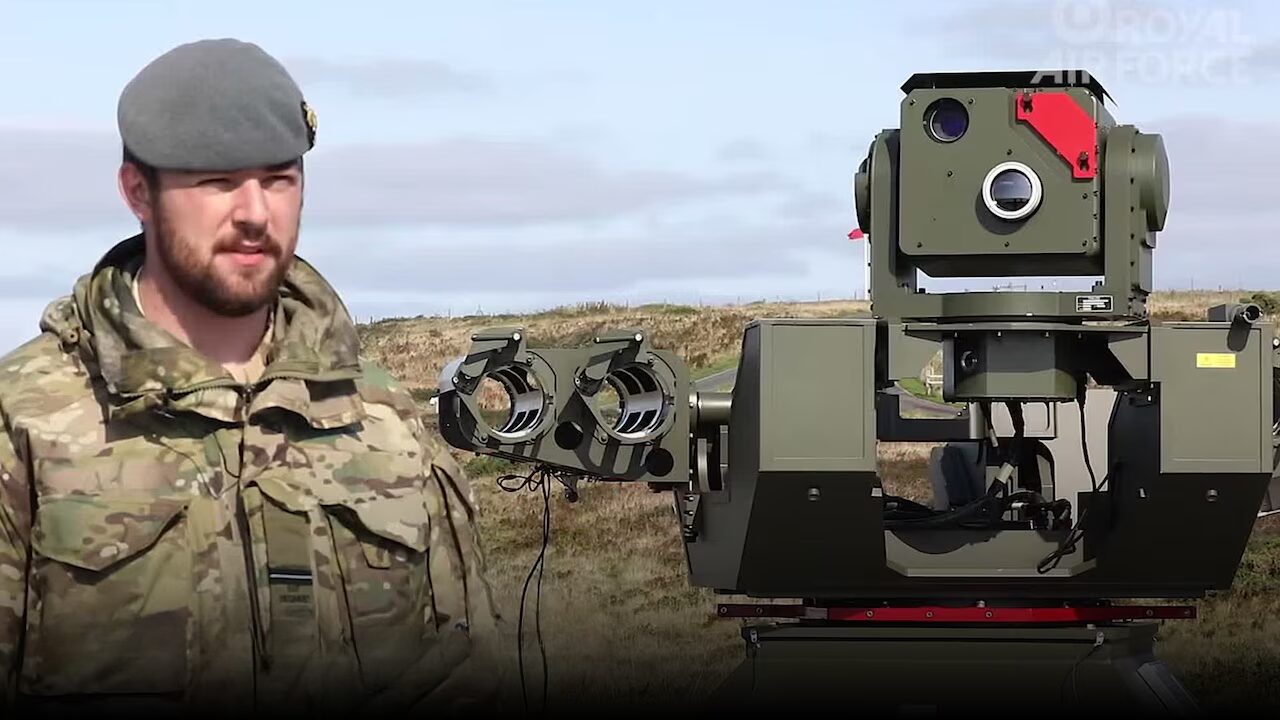
Defence Secretary John Healey told ministers during a Cabinet meeting that a specialist counter-drone unit had successfully neutralised all incoming threats using the UK’s Rapid Sentry air defence system. Operated by RAF Regiment troops, the system proved critical in preventing damage to the base.
Officials described the operation as the largest number of drones shot down in a single night since joint US and Israeli military action against Iran began more than three weeks ago. A defence source said the achievement was “hugely impressive”, noting that 14 one-way attack drones had been intercepted in just a few hours.
The same source added that the scale of the assault suggests a return to pre-Eid levels of hostility, following a brief reduction in attacks during the Eid al-Fitr period.
Kamikaze drones, also known as loitering munitions, are designed to hover over a target before crashing into it and detonating on impact. Their increasing use has become a defining feature of the current conflict.
The Erbil base has previously been targeted, with several US troops injured in a drone strike just two weeks ago, highlighting the continued threat facing coalition forces in the region.
Mr Healey also confirmed that British forces had carried out defensive operations overnight to protect allies in Israel, Saudi Arabia, Kuwait, Bahrain and Jordan. Since the conflict began, UK pilots have flown nearly 900 hours in missions aimed at safeguarding British interests and supporting partner nations.
In a further show of military readiness, the Ministry of Defence said additional British Army Stormer air defence systems, equipped with advanced missile technology, have been deployed to Cyprus to strengthen regional defences.
RAF Typhoon and F-35 fighter jets have continued patrols over Cyprus, Jordan and Qatar, maintaining a high level of vigilance as tensions persist.
In a statement posted on social media, the Ministry of Defence said force protection measures remain at their highest level and emphasised ongoing coordination with international allies.
Meanwhile, the economic impact of the conflict is beginning to be felt in the UK. Chancellor Rachel Reeves warned that rising energy costs linked to the war would present “significant” challenges, but indicated that widespread financial support for households would not be introduced.
Instead, targeted assistance for the most vulnerable is expected to be announced next month. Ms Reeves also confirmed she would meet with supermarkets and banks to discuss support for consumers facing increasing prices.
Separately, the UK is reportedly considering joining an international effort to secure the Strait of Hormuz, a key global oil route currently under threat. Plans under discussion include deploying a Royal Navy vessel or leasing a commercial ship equipped with autonomous systems capable of detecting and clearing sea mines.
The proposed operation would form part of a wider coalition effort involving allies such as the United States and France, aimed at ensuring safe passage for shipping through the strategically vital waterway.