


The government’s pledge to increase defence spending to 2.5% of GDP by 2027 is being hailed as a decisive move to strengthen the UK’s military capability. However, the reality behind the headlines is far murkier.
The need for greater resources for the Ministry of Defence is undeniable. The global security landscape is deteriorating, with Russia’s ongoing aggression in Ukraine, rising tensions in the Indo-Pacific, and uncertainty surrounding NATO’s future. However, the UK’s approach to defence has been marked more by knee-jerk reactions than by a long-term, coherent vision.
The Numbers Game
Yesterday, Prime Minister Keir Starmer told Parliament that defence spending would be increased to 2.5% of GDP by 2027 (or 2.6% if the security services are included). He claimed this would equate to an additional £13 billion annually for the armed forces. However, the Institute for Fiscal Studies (IFS) has stated that, in reality, the increase is closer to £6.7 billion, a significant discrepancy. Starmer’s claims are based on assumptions about baseline budgets and economic growth projections which the IFS considers unrealistic.
To avoid further tax rises or borrowing, the foreign aid budget will be used to fund the increase, reducing from 0.5% to 0.3% of GDP. While this move may seem logical given the cases of absurd waste and corruption in the distribution of overseas aid, aid organisations and development experts argue that cuts to humanitarian programmes will ultimately reduce global stability and increase security threats in the long term. There is a strong argument that defence spending should not be pitted against foreign aid as a zero-sum game. Ideally, addressing poverty, disease, and misery should be tackled early to prevent the conflicts, terrorism, mass migration, and costly military interventions that follow.
While any increase in defence spending is welcome, the rise is totally inadequate to reverse the effects of decades of decline and hollowing out. At best, the new funds will fill gaps and prevent further degradation. This will not, however, allow the UK to mitigate the potential loss of US capabilities, NATO support in Europe, and the challenges posed by Russia. Starmer’s ambition to increase defence spending to 3% of GDP in the next Parliament seems to be more of a bare-minimum, window-dressing exercise, mainly aimed at satisfying President Trump ahead of what may be an awkward meeting with him in Washington.
What is actually required is an immediate move to 3% with a clear plan to reach 4% or more, especially if the inefficiencies in UK defence procurement can be resolved. Even with the intensified threat from Russia, exacerbated by Trump’s sudden dismantling of long-standing US foreign policy, the UK and most of Europe are not re-arming at the scale and urgency required.
The harsh truth is that, in the UK at least, re-armament would involve cuts to other government departments. Few politicians have the stomach to reduce welfare and NHS budgets to fund defence, and that is the inconvenient truth. Those proposing significant increases to defence spending must first explain what will be cut, as the current economic situation seems to rule out further tax rises or additional borrowing.
It should also be noted that sensible spending on defence, if managed properly, can be good for the UK economy, stimulating manufacturing and providing high-skilled employment opportunities.
Delivery
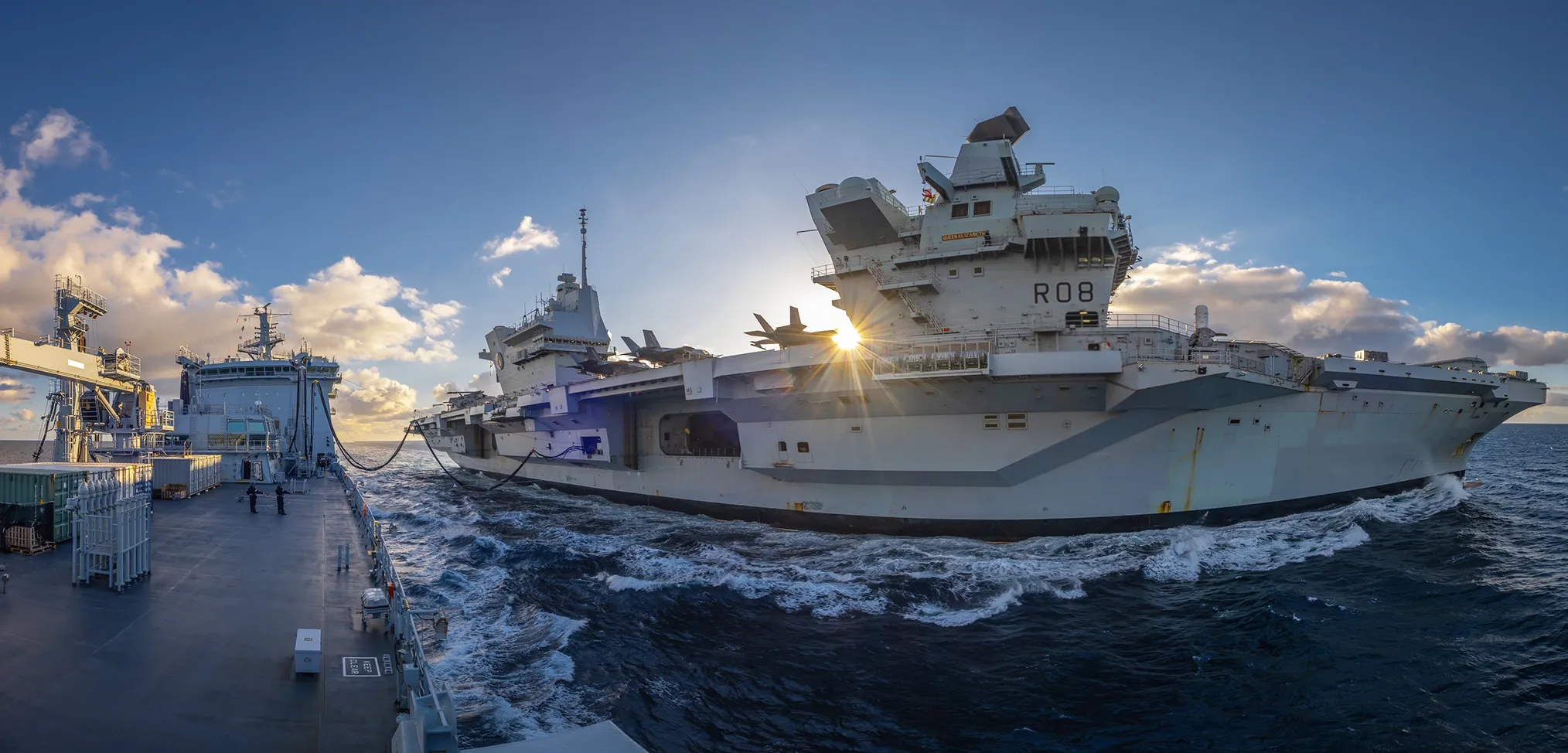
Even if budget holders have the funds available today, it will take time for this to be felt on the frontline. The chronic reductions in defence spending should have ended years ago, but prevarication has left the UK in a bind. Military infrastructure has been scaled back, the headcount has been dramatically reduced, forces’ morale has fallen, and industries and skills have atrophied due to lack of orders. With the best will in the world, recovery will take time. For the navy, in particular, which relies on warship programmes that take decades to complete, it is impossible to quickly build a bigger fleet. What can be done is to end the de-scoping and upgrade the existing fleet. The complexities are beyond the scope of this piece, but autonomous systems may offer a faster path to greater mass, provided they are managed properly and viewed as an extension of the fleet rather than its replacement.
Defence Secretary John Healy is doing his best with the poor hand he has been dealt. In addition to the ongoing Strategic Defence Review (SDR), he has launched the Defence Reform programme, restructuring the Ministry of Defence. He has created the post of Armaments Director, made the service chiefs report directly to the Chief of the Defence Staff, and granted more power to the MoD’s Permanent Secretary (senior civil servant). This aims to reduce waste, eliminate duplication, and better support frontline forces.
An unrelenting focus on eliminating red tape, abandoning adherence to peacetime civilian regulatory frameworks, and changing the risk-averse culture is needed. Many attempts at defence reform have been made before, and only time will tell if the latest initiative proves effective. Getting the necessary equipment into the hands of operators faster has never been more urgent. While the strategic environment dictates that the MoD desperately needs more funding, it is difficult to make the case when many of its projects have overrun budgets and under-delivered.
‘War Footing’
Starmer is clearly uncomfortable with delivering the re-armament message. Although it is far too little, too late, perhaps he should be given some credit. At least there is finally a recognition at the top that the strategic landscape has changed, and unfunded rhetoric about “defence being the first duty of government” is no longer acceptable.
Despite some claims in various media that Britain is now “on a war footing,” this is far from true. The government must provide clear communication and leadership, but until there is a fundamental shift in the national mindset, real security will remain out of reach. The public at large must re-engage with defence matters, consider issues such as infrastructure and supply chain resilience, resist disinformation campaigns, and in some cases, be ready to exchange comfort for national security.
For now, Starmer’s announcements remain aspirational, and the Royal Navy and other services are not equipped to cope with major conflict. Until the SDR produces a concrete plan with realistic timelines and costs, it is difficult to assess whether any progress can be made. What is indisputable is that Putin has now been emboldened and poses a serious threat to the whole of Europe. Only deterrence and hard power will resonate with totalitarian dictators, and the UK must step up to defend itself and its allies.